Search This Blog

Showing posts with label Diet. Show all posts

Wednesday, 28 August 2019

Now They're Coming After What we Eat

Comment: Really important article - read to the end.

-------------------------------- 

Christopher Monckton
Watts Up With That


At Harvard, there was once a University. Now that once noble campus has become a luxury asylum for the terminally feeble-minded. Walter Willett, one of the inmates (in his sadly incurable delusion he calls himself "Professor of Nutrition"), has gibbered to a well-meaning visitor from Business Insider that "eating a diet that's especially high in red meat will be undermining the sustainability of the climate."

Farewell, then, to the Roast Beef of Old England. So keen are we in the Old Country on our Sunday roast (cooked rare and sliced thickish) that the French call us les rosbifs. But the "Professor" (for we must humor him by letting him think he is qualified to talk about nutrition) wants to put a stop to all that.

As strikingly ignorant of all but the IPCC Party Line as others in that hopeless hospice for hapless halfwits, he overlooks the fact that the great plains of what is now the United States of America were once teeming with millions upon millions of eructating, halating ruminants. Notwithstanding agriculture, there are far fewer ruminants now than there were then.

The "Professor" drools on: "It's bad for the person eating it, but also really bad for our children and our grandchildren, so that's something I think we should totally, strongly advise against. It's — in fact — irresponsible."

It may be that the "Professor" - look how fetchingly he adjusts his tinfoil hat to a rakish angle - does not accept the theory of evolution. If, however, that theory is correct, the Earth is somewhat older than the 6000 years derived by the amiably barmy Bishop Ussher counting the generations since Abraham.
 

Agriculture, as we now understand it, only became widespread in the past 10,000 years. Before that, for perhaps two million years, our hunter-gatherer ancestors ate meat and fish and not a lot else - perhaps a little fruit and a few nuts now and then, but only in season. If eating all that saturated fat was bad for them, how on Earth were they fertile enough to breed generation after generation across the rolling millennia, leading eventually to us?

Let me give the "Professor" a brief lecture in nutrition, about which he plainly knows little. The energy in our food comes entirely from three macronutrients: fats, proteins, and carbohydrates. 


Read more

Sunday, 14 July 2019

A cancer researcher who's been keto for 6 years thinks our modern diets are an 'axis of illness' — here's what he eats instead

Business Insider France

  • David Harper, a cancer researcher and kinesiologist, has been on a high-fat ketogenic diet since 2013.
  • He says the sugar-free eating plan has helped him slim down even though he eats a lot of fat.
  • Harper has written a new book, "Biodiet," about how to follow the trendy keto diet in a healthy, science-backed way.
  • One of the problems with modern "Western" diets, he says, is that they tend to promote inflammation, obesity, and disease by relying too much on sugar and other carbohydrates.

  • Start the day off with a piece of toast, a bit of margarine and jam, and a glass of fresh orange juice? Definitely not, says the cancer researcher David Harper. 

    The kinesiology professor hasn't eaten toast in more than six years: He started following a high-fat, low-carb ketogenic diet strategy in 2013, and he says he's never looked back. 

    Harper says both he and his wife, Dale Drewery, rely on fat to power them through the day.
    "I eat full-fat cream in everything," Harper told Business Insider, adding that he consumed lots of nuts and seeds, green beans, "organ meats" like liver, and up to a dozen eggs each week. 

    The keto diet Harper follows is designed to force the body into a state of ketosis, in which it uses fat for energy and produces ketones, instead of relying on carbohydrates and turning them into glucose. (It's essentially the same switch our systems make when starving.) 

    Tuesday, 9 July 2019

    Sugar is the New Tobacco

    John Gaunt
    Sputnik

    Sugar is the new tobacco and is killing millions of people worldwide.

    Cancer Research UK is bang on the money to launch shock tactic posters to tell people that obesity is a major cause of cancer, and overweight people who are saying it is fat shaming need to shut their lardy cake holes.

    And I say this as someone who was morbidly obese and on the fast road to an early grave and someone who is still overweight. But I have and am doing something about my situation and actually exercising more than just my jaw.

    I heard one fat woman on a national radio show saying, “obesity is nothing like smoking as we can choose to smoke but we have to eat.” She is half right, we do need to eat but we can choose what we put in our mouths surely? There has to be an element of personal responsibility.

    I have cut all sugar from my diet and I eat a Low Carbohydrate High Fat (LCHF) way and the weight has dropped off me and I have never felt better. In fact, this style of eating combined with gentle walking has also reversed my Type 2 diabetes, cured my gout, lifted my mood and even cured my erectile dysfunction. Now I have got your attention haven’t I lads?

    But being serious, this style of eating has completely changed my life and I am now off all meds. And it is not just me, millions of people around the globe are now eating this way and, in a sense, curing themselves.

    The results speak for themselves and in my case it led me to set up a website to help other people who, just like me, were essentially sugar addicts waiting to die.

    It has been the most rewarding thing I have ever done in my life and it is a disgrace that Low Carb High Fat diets have not been utilised in the treatment of obesity and Type 2 diabetes.

    I educated myself about nutrition via the internet; and instead of debates on TV about whether sugar taxes are sin taxes or phone ins about whether these posters are an example of fat shaming, what we actually need is for governments to start educating people in nutrition and stop being in the pay of Big Food and big sugar in particular. Governments need to be ‘fat shamed’ more than individual fatties.

    But don’t hold your breath because it isn’t just Boris who has made a complete hash of this subject. His rival to be our next PM, Jeremy Hunt, when he was the Health Secretary in 2017 stood on stage at the Tory conference in Manchester and declared that childhood obesity was a “national emergency”. However, the stinking hypocrite had his conference lanyard around his neck which had the conference’s sponsors name on, which was Tate and Lyle! No wonder some journalists and broadcasters get his surname wrong! 

    Read more

    Tuesday, 4 June 2019

    The cult of veganism is riddled with inconsistencies

    Paul Murray 
    Western Australian 

    Do vegans think that lions, hyenas — even feral cats — and other carnivores also should give up eating meat?

    And if so, can I negotiate the video rights with Direct Action Everywhere to catch their silent walk-by protests live?

    Or maybe not so live.

    If veganism is driven by a moral issue about exploiting animals, why does it not logically extend to other meat-eating primates — our closest relatives, chimpanzees, are omnivores too — or to other predators?

    These people would march in the streets about such discrimination in other forms.

    What about fish? How can vegans possibly approve of big fish eating smaller ones if rescuing animals that are plundered for food is central to their cause?

    Fsh are sentient animals. They feel pain and they bleed. Some fish positively bream with personality. Sorry, brim.

    When will James Warden and his mates start lecturing white pointers about their dietary choices?
    Now, it’s not funny to ridicule vegans. They can eat what they like.

    But when vegan activists wilfully interfere with the livelihoods of farmers, invade the social interactions of citizens enjoying a meal out and try to make children fearful of a balanced diet, they should expect some push-back.

    And the cult of veganism is riddled with inconsistencies.

    Read more

    Tuesday, 14 May 2019

    From Ancient Wisdom to Hot Health Trend: Bone Broth Wins the Day for Nutrient Density

    Crystal Lauer Health Impact News
     
    In South America, it has been supposed that “Good broth can resurrect the dead.” In Greece, Hippocrates, the father of modern medicine, recommended steaming bowls of broth for his digestion-impaired patients, approximately 2,400 years ago.  Maimonides extolled the ‘Excellence’ of broth as both a food and a medicine, causing the golden broth so commonly prepared by Jewish mothers to become colloquially known as “Jewish Penicillin.”

    From ancient times, when bones were simmered over fires in turtle shells, to modern, fast paced cities, where it is sold by the cup out of high-end specialized restaurants, bone broth has been touted and accepted as both a medicine and a food by layman and physician alike.

    As a staple of the popular Paleo Diet and the Keto Diet, its proponents swear by its super healing abilities. Its virtues can be seen splashed across magazines, books and trendy websites. Suddenly the world has discovered this golden elixir, that has been around for thousands of years and ironically is a real food tradition at the base of almost every culture worldwide.

    The question is, does it really deserve such lofty acclaim?

    Bone broth may simply be the simmering of bones in water with the possible addition of vegetables, herbs and spices, to extract their minerals and nutrients, but the results are anything but ordinary. 

    Many store-bought broths and soups rely on lab-produced flavors and a particularly ugly secret in the form of Monosodium glutamate, a known neurotoxin, to enhance their taste.  Home cooked broths made from real food, are superior in both nutrients and taste and for a fraction of the cost of their store-bought cousins. This makes simmering your own broth both economical and healthy.

    So, what’s the real story with bone broth? 

    Read more

    Tuesday, 7 May 2019

    Poor Diet Kills More than Cigarettes?! Key Study Shows We’re Eating Ourselves to Death

    Comment: Smoking is the pariah of age and the least of our problems. Stress and poor diet account for a huge, if not most of our deaths in the Western world. 

    ------------------------------

    Mike Barret
    Natural Society

    The Western diet is no longer unique to the United States. Many countries the world over have adopted a diet laden with *excess* salt, fat, sugar, and other health-compromising ingredients. Now, people are literally paying for it with their lives, according to a recently published global study. [1]

    http://naturalsociety.com/wp-content/uploads/image-health-food-study-eating-1001-hi-res.jpg

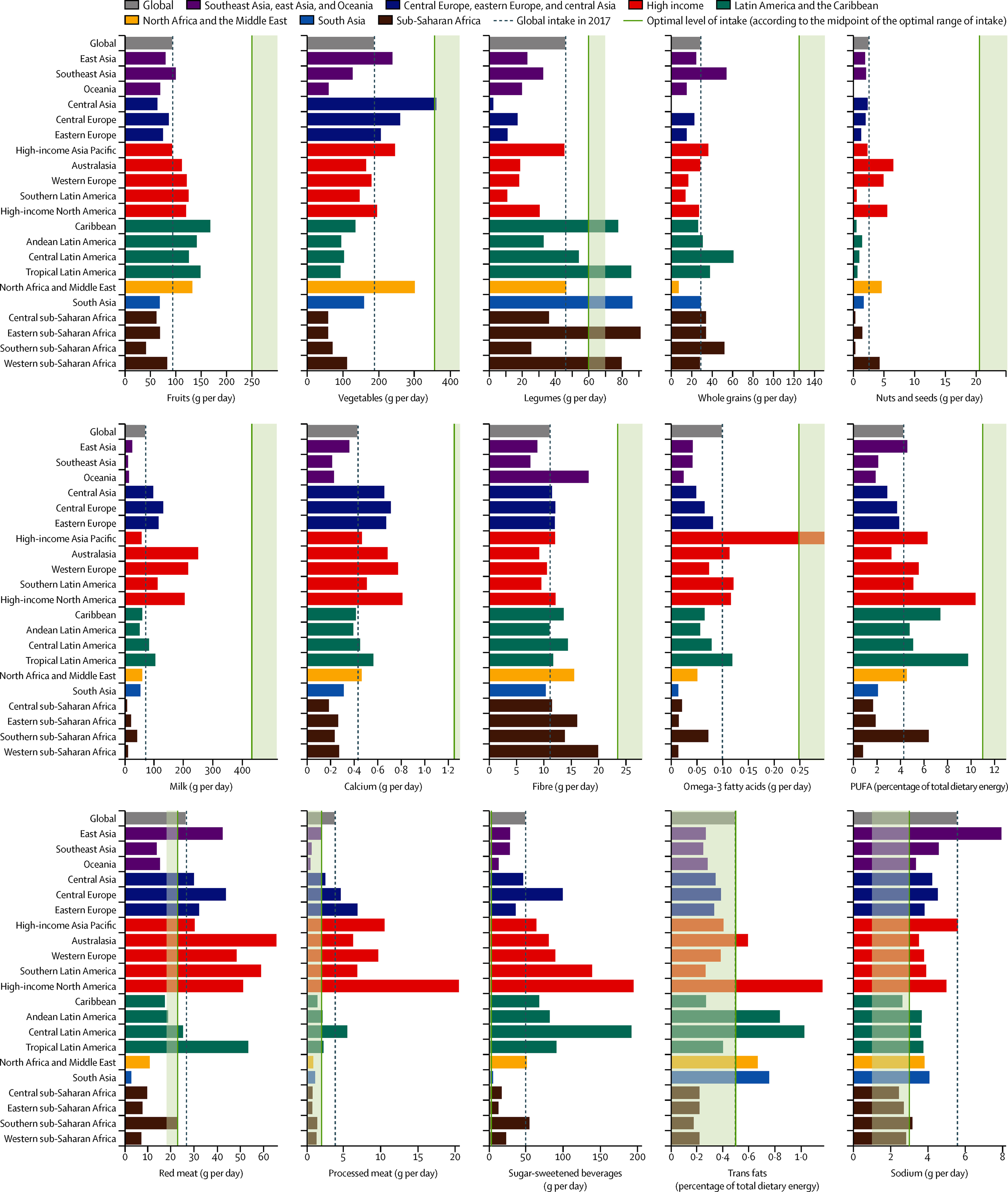
    Researchers looked at the eating habits of people from 195 countries to estimate how much poor diets contribute to mortality. They discovered that 11 million people die each year because they consume too many unhealthy foods and skimp on the healthful ones, like fruits, vegetables, and whole grains. 

    Read more

    Monday, 4 February 2019

    What's Really Behind The Plant-based Diet Agenda?

    Edward Talbot
    Sustainable Agriculture Systems


    I have previously covered the anti-animal agriculture narrative here and the plant-based and/or alternative protein agenda here.

    But as the plant-based diet agenda is currently enjoying an uninterrupted public relations campaign facilitated by the obliging media; and given last week's launch of the EAT-Lancet Commission's report on healthy diets for sustainable food systems, I feel compelled to delve a little deeper into the matter.

    Although I loathe mixing business and politics, livestock agriculture is becoming increasingly politicised. Regrettably, this forces one's hand.

    Why something so innocuous as personal dietary choice needs to be voiced so loudly is a strange phenomenon. However, there are some interesting facets of information that can be gleaned by analysing the EAT-Lancet Commission's posturing and the alternative protein movement.
    The anti-animal agriculture narrative and plant-based diet agenda combines political ideology and commercial interests. This "movement" is insidious, unsavoury, and cannot be ignored by those who value liberty and consumer choice.

    Although most people cannot deprive themselves of high-quality nutrition for long-periods of time, the fact that some people are going to such great lengths to avoid the consumption of meat and dairy products is rather telling.
    The nutritional argument against consuming animal source foods is non-existent. It is quite simply illogical that red meat or dairy products cause modern diseases (I have previously covered this subject here). Dietary recommendations have been moulded by religious and other personal beliefs (such as the temperance movement), animal rights activists, and food companies since their inception. None of this is anything new. What is new, is the concept of promoting a "planetary health diet."

    Nutrition science is ambiguous enough without adding extra layers of complexity. What's good for the planet and what's good for human health are understandable concerns to have. But conjoining the two is imprudent, especially when innumerable falsehoods are bandied about regarding both.

    By far and away, the biggest contemporary driver of the anti-animal agriculture narrative is the supposed environmental impact of livestock - and that is a good place to start a critique of the plant-based diet agenda. 


    Read more

    Thursday, 14 June 2018

    No, George Monbiot, Dropping Meat and Dairy Will Not Reduce Your Impact on the Earth

    Doug DiPasquale
    Sott.net


    Guardian George Monbiot
    © The Guardian Feel the awesome power of meat guilt

    If you were to believe the headlines (something not generally recommended) gracing newspapers and interwebs this week, you'd be assured that if you don't go vegan, you're going to kill the planet. Peer-reviewed research published in the prestigious journal Science late last month is based on a database of a bunch of different food products, which the study's authors analyzed from production to retailing to determine their environmental impact. From Science Daily:
    Researchers at Oxford University and the Swiss agricultural research institute, Agroscope, have created the most comprehensive database yet on the environmental impacts of nearly 40,000 farms, and 1,600 processors, packaging types, and retailers. This allows them to assess how different production practices and geographies lead to different environmental impacts for 40 major foods.
    So how did they assess the environmental impact of our daily foodstuffs? Pollutants like heavy metals or toxic chemicals being released? Destruction of fragile ecosystems? The number of endangered species affected? Invasive genetically modified technologies and their consequences? Nope. Those things don't matter in the grand scheme of things, apparently. All that matters now is carbon dioxide, the innocuous gas that feeds plants. In the current media landscape, all the horrific things we do to the environment get a pass. The only thing that gets attention is CO2.

    So it's no surprise that the studies that bolster this propaganda get the most traction in the media, dutifully tweeted out by the PC brigade, who are secure in their belief that they're 'doing something' to 'help save the planet'.

    One article about this that stood out was George Monbiot's column at the Guardian, which ran with the headline: 'The best way to save the planet? Drop meat and dairy'... Right away, we know we're in for a wild ride. This is actually the second Guardian article in the last week about this study, and it attempts to guilt their readers into going vegan. It would appear their readers' diets is a particularly important issue for them.

    The Monbiot piece opens:

    Whether human beings survive this century and the next, whether other lifeforms can live alongside us: more than anything, this depends on the way we eat. We can cut our consumption of everything else almost to zero and still we will drive living systems to collapse, unless we change our diets.
    The "more than anything" part is debatable, but as long as we're talking in generalizations, this is likely true. Monocrop farming, confined animal feeding operations (CAFOs), genetic modification, glyphosate, toxic chemical agriculture - these things are all absolutely brutal on a planetary scale and it's probably true that we're going to reach a tipping point, if we haven't already, and start seeing absolutely devastating consequences and loss of life (human and otherwise). But that's not what Monbiot is talking about, as we see in the next paragraph. 

    Read more

    Monday, 11 June 2018

    Gut Microbiome May Be a Game-Changer for Cancer Prevention and Treatment

    Mercola.com 

    In recent years, it’s become increasingly apparent that the composition of microbes in your gut — which is as distinct to you as your fingerprint — plays an enormous role in health and disease prevention. Your gut flora influences the function of various internal organs, such as your skin, lungs, breasts and liver.1

    For example, recent research2 by the National Institute of Health shows gut microbes control antitumor immune responses in the liver, and that antibiotics — by depleting your gut of valuable bacteria — can alter the composition of immune cells in your liver and trigger tumor growth. 

    Aside from cancer, dozens of other health conditions have been traced back to the influence of gut microbes as well, including obesity, depression, chronic fatigue syndrome, Parkinson’s and allergies,3 just to name a few. One of the reasons for this is because your gut is the main residence of your immune system.4 Disrupt your gut microbiome and you automatically disrupt your immune function, which can have far-reaching consequences. As noted in a paper published in Clinical and Experimental Immunology:5
    “The crucial position of the gastrointestinal system is testified by the huge amount of immune cells that reside within it. Indeed, gut-associated lymphoid tissue (GALT) is the prominent part of mucosal-associated lymphoid tissue and represents almost 70 percent of the entire immune system; moreover, about 80 percent of plasma cells … reside in GALT.”

    How Your Microbiome Influences Your Cancer Risk


    Previous studies have shown certain gut bacteria quell inflammation, which is an underlying factor in virtually all cancers, whereas others promote it. As noted in a recent article in Nature,6 “bacteria have been associated with cancer initiation and progression. Some of these microbes activate inflammatory responses and disrupt the mucus layers that protect the body from outside invaders, creating an environment that supports tumor growth.”

    Certain cancers have also been found to have infectious underpinnings. For example, Heliobacter pylori (H. pylori) has been linked to gastric cancer. The International Agency for Research on Cancer actually defines this microbe as a carcinogen.7 Interestingly, H. pylori has also been linked to a reduced risk of esophageal adenocarcinoma, demonstrating the complexity involved and the organ-specific effects microbes can have when it comes to their impact on cancer. 

    Similarly, hepatitis C virus has been shown to play a role in hepatocellular carcinoma, chronic Salmonella enterica infection has been linked to gallbladder cancer, and Haemophilus influenza and Candida albicans have been identified in lower respiratory tract tumors. Gut microbes have also been found to influence the effectiveness of cancer treatment. 

    Read more

    Friday, 22 July 2016

    The Keto Diet: Benefits beyond weight loss

    Comments: This is not a fad and it's not just a proven way to lose weight or to assist in reducing/curing epileptic seizures. I've been following it for two years and I sleep better, I look better, I am fitter, stronger, more emotionally balanaced and with much more energy. The ketogenic diet may be the original diet of our paelolithic ancestors. It's only modern, urban living and the associated unnatural requirements of corporatism which has led us away from such logic. 

    ----------------------------


    Pamela Bofferding
    Ready Nutrition 


    Low-carb, higher fat/protein diets are nothing new in mainstream culture - chances are you've heard of the Atkins Diet or Protein Power or some other version of these weight loss plans. These diets are at their core high-fat, low-carb Keto Diets or KDs, so called because they put your body into a state where it runs on ketones, rather than glucose or glycogen (you can read more about the science behind the process here). But what you might not be aware of are the myriad medical studies that show how Keto Diets go far beyond weight loss. In all reality,the Keto Diet is common sense eating.

    The following is a list of health issues and the way that the Keto Diet brings about positive effects in each of them. As always, speak to your doctor before beginning any new diet or exercise plan—I'm not a scientist or a doctor, but this list was compiled based on studies from the National Library of Medicine and the National Institutes of Health.

    1. Keto Diet for a better brain: One of the most common issues people have with cutting carbohydrates from their diet is the "brain fog" that occurs in the first few days or weeks of a Keto Diet. Many times, people give up during this phase, but if you can hold out a little longer, there are many benefits including enhanced focus, clarity, and long-term neuroprotection. Several days into a Keto Diet there is a rise of ketones in the liver and an overall lowering of blood glucose levels. Fatty acids are better oxidized, leading to enhanced biogenesis, or the creation of brain cells. Synaptic energy (meaning the connections between existing brain cells) is increased and strengthened, while there is a decrease in oxidative stress (the process by which brain cells corrode and die). These findings are not speculative—they are based on human studies. Basically, your brain is running at its best when in a keto zone.
    2. Keto Diet in Alzheimer's patients: Because of the neuroprotective properties of a KD, scientists believe there may be some benefit for Alzheimer's patients to adhere to a Keto Diet. Patients with certain mutations of the disease have shown improved cognitive functioning in double-blind studies. More research needs to be done to conclude whether all variations of the disease may benefit from a KD, but the research is promising.
    3. Keto Diet to slow aging: General aging is caused by a gradual decline in neurons and neural circuit functions. We, of course, don't know how to stop this process, but research shows that altering the energy metabolism of the brain can slow this process. Rodent studies have conclusive evidence that a KD implemented in older rats leads to slower overall cell degradation and the results for humans is currently underway.
    4. Keto Diet for Parkinson's Disease: Clinical studies are currently underway to determine the effects of a KD on Parkinson's sufferers, though an initial small study showed promising results.
    5. Keto Diet for Epilepsy: There is now conclusive evidence that a KD reduces the frequency of seizures in epilepsy patients, particularly in children. A Keto Diet is the first or second line of defense against seizure along with anti-convulsant drugs. Many patients prefer a KD as the first treatment because of the side-effects that can occur with anti-convulsants. Children or others who have difficulty swallowing pills or remembering to take medication every day often choose a Keto Diet. As well, some children who had no response at all to oral medication showed excellent results with a KD.
    6. Keto Diet on cancer cells: Of course there's no known cure for cancer at this point, but because cancer cells exhibit high metabolic rates, they are also the most sensitive to a lack of glucose fuel (this is known as the Warburg effect). Pioneering work in animals has shown that a KD greatly slows the rate of tumor growth. While clinical proof in humans is still underway, a pilot trial of 16 patients with highly metastatic cancer showed improved functioning and decreased insomnia in patients, indicating that there are benefits that need to be explored further.
    The Keto Diet is also being considered in the treatment of migraine, autism, stroke, traumatic brain injury, psychiatric disorders, and many other diseases. I find it very easy to maintain a KD. All of these medical results are promising, plus, I'd be lying if I didn't admit that the main reason for me is that it keeps me thin. I'm very interested to see the results of further scientific research as they develop. 

    See also: Ketogenic diet - a connection between mitochondria and diet

    Tuesday, 5 July 2016

    Debunking More Bad Science - People With High Levels of 'Bad Cholesterol' Actually Live Longer Than Those With Low Levels

    Marco Torres
    Prevent Disease


    Mainstream medicine promotes in large what they want to sell from a fear perspective. The don't sell health. They can't, because they sell little fear pills that have consumers in the billions gobble up out of fear fictitious diseases. Bad cholesterol is a good example because there is nothing bad about any type of cholesterol. The fact that people with high cholesterol live the longest has already emerged clearly from many scientific papers. Now a University of South Florida professor and an international team of experts have once again found that older people with high levels of a certain type of what is known as bad cholesterol, or low-density lipoprotein, live as long, and often longer, than their peers with low levels of this same cholesterol.

    Read more

    Monday, 11 April 2016

    The Sugar Conspiracy

    Ian Leslie
    The Guardian

    In 1972, a British scientist sounded the alarm that sugar – and not fat – was the greatest danger to our health. But his findings were ridiculed and his reputation ruined. How did the world’s top nutrition scientists get it so wrong for so long? 

    Robert Lustig is a paediatric endocrinologist at the University of California who specialises in the treatment of childhood obesity. A 90-minute talk he gave in 2009, titled Sugar: The Bitter Truth, has now been viewed more than six million times on YouTube. In it, Lustig argues forcefully that fructose, a form of sugar ubiquitous in modern diets, is a “poison” culpable for America’s obesity epidemic.

    A year or so before the video was posted, Lustig gave a similar talk to a conference of biochemists in Adelaide, Australia. Afterwards, a scientist in the audience approached him. Surely, the man said, you’ve read Yudkin. Lustig shook his head. John Yudkin, said the scientist, was a British professor of nutrition who had sounded the alarm on sugar back in 1972, in a book called Pure, White, and Deadly.

    “If only a small fraction of what we know about the effects of sugar were to be revealed in relation to any other material used as a food additive,” wrote Yudkin, “that material would promptly be banned.” The book did well, but Yudkin paid a high price for it. Prominent nutritionists combined with the food industry to destroy his reputation, and his career never recovered. He died, in 1995, a disappointed, largely forgotten man.

    Perhaps the Australian scientist intended a friendly warning. Lustig was certainly putting his academic reputation at risk when he embarked on a high-profile campaign against sugar. But, unlike Yudkin, Lustig is backed by a prevailing wind. We read almost every week of new research into the deleterious effects of sugar on our bodies. In the US, the latest edition of the government’s official dietary guidelines includes a cap on sugar consumption. In the UK, the chancellor George Osborne has announced a new tax on sugary drinks. Sugar has become dietary enemy number one.

    This represents a dramatic shift in priority. For at least the last three decades, the dietary arch-villain has been saturated fat. When Yudkin was conducting his research into the effects of sugar, in the 1960s, a new nutritional orthodoxy was in the process of asserting itself. Its central tenet was that a healthy diet is a low-fat diet. Yudkin led a diminishing band of dissenters who believed that sugar, not fat, was the more likely cause of maladies such as obesity, heart disease and diabetes. But by the time he wrote his book, the commanding heights of the field had been seized by proponents of the fat hypothesis. Yudkin found himself fighting a rearguard action, and he was defeated.
    Not just defeated, in fact, but buried. When Lustig returned to California, he searched for Pure, White and Deadly in bookstores and online, to no avail. Eventually, he tracked down a copy after submitting a request to his university library. On reading Yudkin’s introduction, he felt a shock of recognition.

    “Holy crap,” Lustig thought. “This guy got there 35 years before me.”

    Read more

    Thursday, 18 June 2015

    EMF pollution: What you can do to reduce your EMF exposure


    Larry Bowers
    Sott.net
     
    This article is part four in a series of articles on electromagnetic field (EMF) pollution. Part one is available here, part two here and part three here. This article will focus on what you can do to reduce your EMF exposure. Chronic diseases have many potential causes - including genetics, deficient diet, toxin exposure, and repressed emotions or psychological malformations. Research conducted over the past two decades supports adding... 
     
    Chronic diseases have many potential causes - including genetics, deficient diet, toxin exposure, and repressed emotions or psychological malformations. Research conducted over the past two decades supports adding electro-magnetic frequency (EMF) exposure to the top-level list of causes of chronic disease (including genome/DNA damage). It's likely that a chronic disease condition results from a unique and individual combination of these top-level stressors, so EMF exposure should be considered in the context of other source causes, as suggested in Figure 1.  

    Saturday, 21 February 2015

    The most common nutrition myths ever told

    Jeff Roberts
    collective-evolution.com


    With the advent of the internet came a superabundance of available information regarding personal health. However, with this deluge of available information also came a hefty downfall - a massive amount of misguided and unreliable information.

    Out of all fields of discussion, it's safe to say that no other topics are more dangerous to have misinformation spread about than diet and nutrition. If a nutrition myth is continually repeated, it can soon become a culturally accepted truth, something that is dangerous to the general public. So for that matter, this article will address some of the most common and misguided nutrition 'facts' out there today.  


    Read more

    Monday, 28 April 2014

    Burying The Vegetarian Hypothesis

    Doug DiPasquale
    Sott.net
    Nov 2010


    In 1999, Sally Fallon published the instant classic, Nourishing Traditions. It was subtitled "The Cookbook that Challenges Politically Correct Nutrition and the Diet Dictocrats"; a curious turn of phrase not only because the book is so much more than a cookbook, but because it promises to challenge "politically correct nutrition". What could politically correct nutrition possibly mean?

    If we look at the term political correctness we see that it connotes the idea of making an effort, through language or action, not too offend anyone. Unfortunately, what it usually amounts to is trying to predict what could possibly offend others and self-censor; usually in the most ungraceful and obvious manner so as to draw attention toward the effort being made and leading to an increase in discomfort for all involved. What could be more uncomfortable than having laid bare what another person thinks would offend you, usually without any insight to who you are as an individual but rather acting on simplistic stereotypes and even then completely missing the mark?

    Politically correct nutrition can be looked at in the same manner. It is eating in a way that is designed not to offend anyone, particularly those who conform to the conventional mainstream perspective of what constitutes healthy eating. It is undeniable that at least part of the answer to the vast majority of the chronic health problems currently plaguing our population is to radically change and improve our diets, but just what changes need to be made is generally a hotly debated topic. The politically correct answer is what we have been told for the last half-century or more - eat less, exercise more, lower fat consumption, avoid cholesterol and, increasingly, eat less meat.

    It seems that consensus in mainstream diet-recommending bodies is that meat consumption is a bad thing and that cutting down, if not eliminating entirely, one's meat consumption is what is best for one's health. Meats are slowly moving their way up to the narrower end of the government mandated food pyramid to take up fewer recommended portions per day. Gone are the days of the 4 basic food groups, when meats were given as much value as fruits and vegetables. If one is consuming a politically correct diet, one is a vegetarian at the very least, vegan ideally. The mantra of Michael Polan, media darling and current king of the erudite food writers, is a prime example of the politically correct nutrition mantra: "Eat food. Not too much. Mostly plants."
    Increasingly, 'health food' is associated with vegetarianism. Often, newly processed vegetarian concoctions line the shelves of health food stores while healthy meats, if present at all, are relegated to a freezer section in the back. A healthy, organic butcher, preparing meats free of chemicals, hormones and antibiotics seems far removed from this 'health food' culture. Even amongst the aware health aficionados, who know enough to avoid processed foods, raw food veganism is the default, not conscious omnivorism.

    But the question that needs to be asked is whether this move towards a vegetarian diet is in our best interest from a health perspective. There are many arguments for vegetarianism, but do any of them bear up under investigation?  


    Read more


    Related Posts Plugin for WordPress, Blogger...